Blog11 July 20267 min read
Can AI write a real training programme? What separates a tool from a chatbot
AI can draft a programme a professional would recognise as real work. Whether it is safe to send depends on everything that sits between the model and your client.
By NForge Team · ai · programming
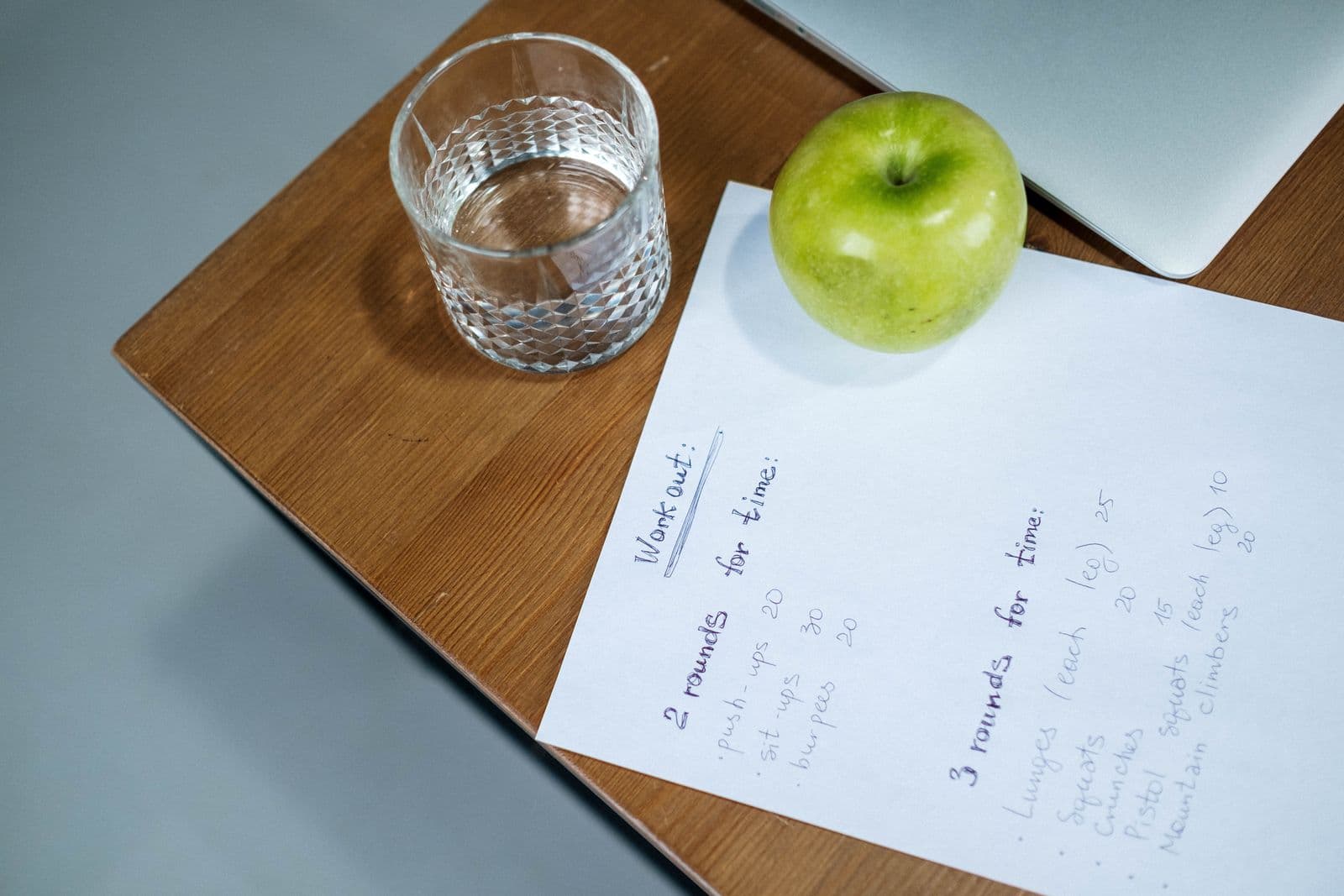
Yes — AI can write a training programme that holds up to professional scrutiny: real progression, programmed deloads, prescriptions with tempo and rest, nutrition that reconciles. We should say upfront that we build one (Forge AI), so this is not a neutral answer. It is an informed one, and the honest version is more useful than the hype in either direction.
The model is the easy part. What decides whether an AI plan is safe to put your name on is everything wrapped around it.
Where chatbot programmes fall apart
Ask a general chatbot for "a 12-week plan for my client" and you get something that looks plausible for about ninety seconds. Then the coaching eye kicks in.
The progression is usually week one, repeated twelve times with slightly bigger numbers. No deloads, no phases, no answer to "why does week seven look like this". The nutrition is worse: add up the protein, carbs and fat on any given day and multiply them out, and the calorie total at the top of the page frequently disagrees with the meals below it. The model is recalling food-label numbers from its training data, and food labels drift from the underlying arithmetic. Nobody checks, because the output looks finished.
Then there are the misses that actually matter. Tell a chatbot your client has a peanut allergy and it will dutifully avoid peanuts — and then suggest a satay sauce, because the connection between "satay" and "peanut" lives in a different part of its memory than your instruction. Say the client trains Monday, Wednesday and Friday, and somewhere around week five a Saturday session appears. Each of these is a small failure. A paying client only needs one.
What "real" means in a programme
A programme is not a list of exercises. Before any of us should call an AI plan real, it needs:
- A complete prescription per exercise: sets, reps, load, tempo, rest, RPE — the difference between "3 sets of squats" and something a client can actually follow
- Progression that builds and backs off deliberately, the way a coach periodises, not a copy-paste with inflation
- The client's actual week: their available days and sessions, respected for the whole block
- Nutrition where the day's meals genuinely meet the day's targets, portion by portion
That is a higher bar than most AI fitness content ever gets measured against, which is exactly why "can AI write a programme?" gets answered with demo screenshots instead of arithmetic.
The part nobody screenshots: what stands between the model and the client
When we built Forge AI, the generation was weeks of work and the safety system was months. That ratio tells you where the hard problem lives. A plan only reaches a coach after passing through five layers:
- A structured intake, not a chat. Injuries, conditions, allergies and intolerances are dedicated fields. You are not hoping the AI noticed something in paragraph three.
- Constraints enforced during generation. Allergies expand to their derivatives — a peanut allergy also rules out satay and groundnut oil; gluten rules out couscous, seitan and bulgur. Vegan means no whey slips in. Contraindicated movement patterns never enter the brief.
- Validation by code, not vibes. Every ingredient screened against the allergy list. Every exercise screened against stated injuries and conditions. A Tuesday rest day stays a rest day. Macros that have to add up before the plan moves forward.
- An independent AI safety review. A separate pass reads the finished plan against the client profile, hunting for what rules cannot catch. In our testing it has flagged a seven-minute continuous cardio block written for an asthmatic client, a deload week whose calorie drop was risky for a diabetic client, and breath-hold pressing patterns for a client with high blood pressure.
- The coach. Every plan is reviewed by a professional before a client sees it. Anything the review flagged arrives marked "needs review" with specific notes, not vague warnings.
One design decision matters more than the rest: when an exercise conflicts with a stated injury, it is removed and flagged — never silently swapped for something the system merely hopes is fine. The gap is left for the professional. An AI that guesses confidently is more dangerous than one that admits the limits of what it knows.
A flagged plan is the system working
This is the bit that surprises coaches. The clients you would block out a Sunday for — asthma plus a lower-back history, three competing goals, a dietary minefield — are exactly the plans that should arrive flagged. If an AI tool returns complex clients with a clean bill of health every time, it is not being thorough. It is being agreeable.
The worst failure mode in AI is not a wrong answer. It is a wrong answer delivered with total confidence.
Escalation to a human is not a weakness in the product. It is the reason a professional can put their name on the output.
Chatbot vs purpose-built: the short version
| A general chatbot | A purpose-built generator | |
|---|---|---|
| Output | A wall of text you reformat for an hour | A structured plan in your coaching platform, editable and assignable |
| Nutrition maths | Often does not add up | Targets derived from client data; portions sized to meet them |
| Allergies | Avoids the obvious word | Screened at ingredient level, including derivatives |
| Injuries | A polite disclaimer | Screening plus an independent review; conflicts removed and flagged |
| Progression | One week, repeated | Up to 12 weeks with programmed deloads |
| Accountability | None | Review notes, coach approval, full edit control |
What to ask any vendor — including us
If you are evaluating AI programme tools, these five questions separate engineering from marketing:
- Pick one day of the meal plan. Do the macros multiply out to the calorie total?
- My client has a peanut allergy. What happens to satay, groundnut oil and pad thai?
- My client rests on Tuesdays. Show me week six.
- My client has a knee injury and the plan needs a lower-body day. Does the tool guess a substitute, or flag the gap?
- Who sees the plan before my client does?
Any tool worth paying for answers all five without changing the subject.
Questions coaches actually ask
How long can an AI-generated programme be? With Forge AI, 4 to 12 weeks — a complete progressing block with deloads, not a repeated sample week. Be suspicious of "unlimited" claims; they usually mean repetition.
Is it safe for clients with injuries or conditions? Exercises are screened against stated injuries and conditions during generation and again in an independent safety review. Anything contraindicated is removed and the plan is flagged with specific notes. The coach reviews every plan before a client sees it. The whole standard is published on our AI safety page, and we go deeper on the injury case in AI workout plans for clients with injuries.
Will my client know it is AI? Clients receive the programme in their app like any plan you have written. The AI notice is coach-side only — you review and own every plan. What you choose to tell them, and how, is covered in should you tell clients their programme was written with AI?.
What does it cost? Forge AI is included free for coaches on NForge; the platform charges a 7.9% fee on successful client transactions only.
If you would rather test the claim than take our word for it, you can generate one plan free — no account needed, and the result lands in your inbox as a PDF. Judge the arithmetic yourself.