Blog10 July 20265 min read
AI meal plans that actually add up: macros, allergies and the maths
Most AI meal plans fail quietly: calorie totals that disagree with the meals, allergens hiding in derivatives, portions nobody checked. What the maths has to look like.
By NForge Team · ai · nutrition
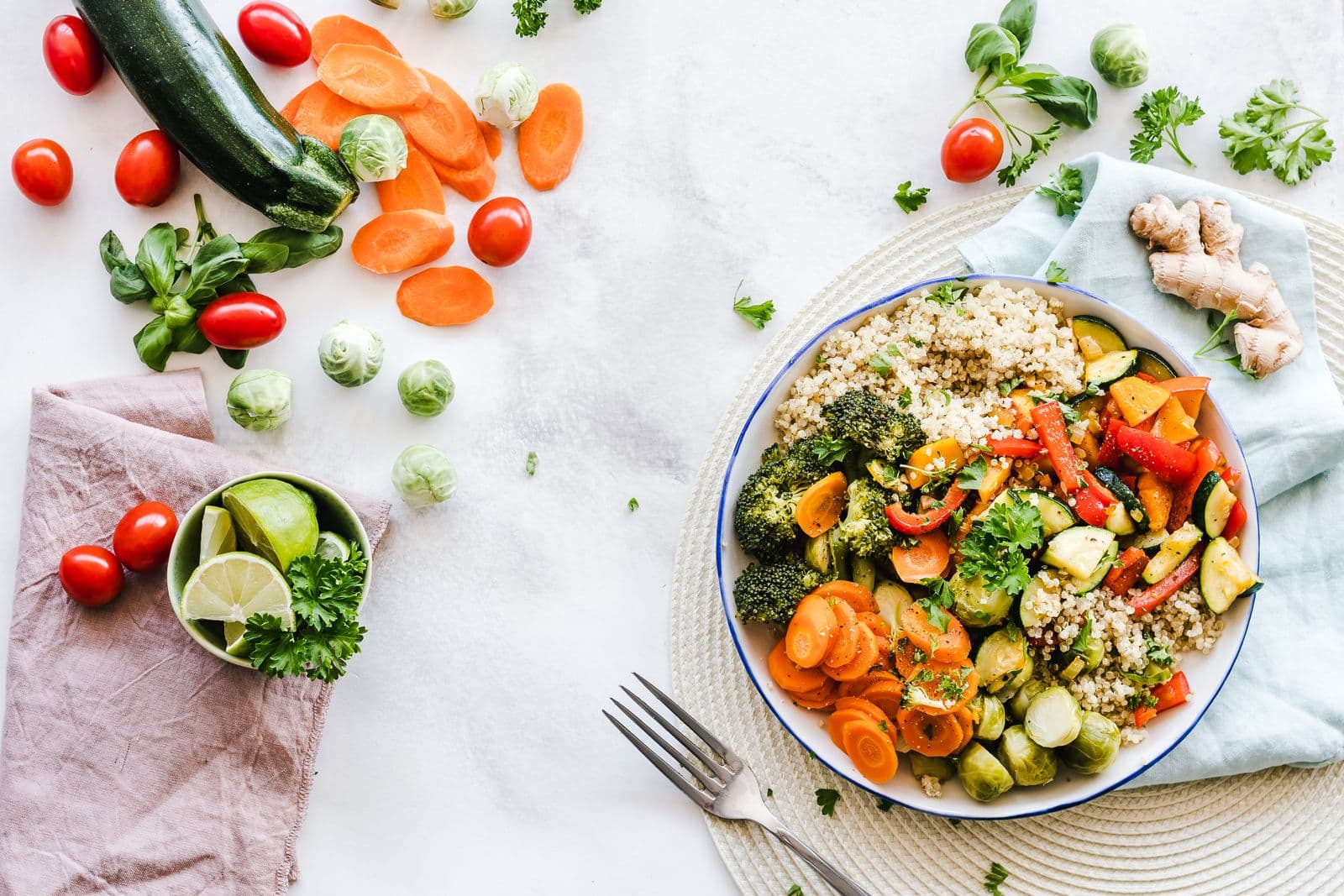
Here is a test that takes ninety seconds and kills most AI meal plans: pick one day, multiply the protein and carbs by four and the fat by nine, and compare the result to the calorie figure printed at the top of the page. They usually disagree — sometimes by a rounding error, often by a few hundred calories.
That single check explains why so many coaches tried AI nutrition in its chatbot era, got burned, and went back to spreadsheets. The plans looked finished. The arithmetic said otherwise.
Why the numbers drift
Language models do not calculate; they recall. When one writes "chicken breast, 165 calories", it is remembering food labels from its training data — and label calories drift from the macro arithmetic underneath them, legally and routinely. Stack twenty of those small drifts into a day of meals and the day misses. Stack them into a week and your client is eating meaningfully more, or less, than the plan claims.
There is only one honest fix: derive the calories from the macros, every time, and size the portions so the day's meals genuinely land on the day's target. Building Forge AI taught us to trust the model for food knowledge and recipes, and to trust code for every number a client will act on — the AI meal plan generator is that principle shipped as a feature.
Allergens do not read labels
The second quiet failure is scarier. Tell a chatbot your client is allergic to peanuts and it will avoid the word "peanut" — then suggest satay, because the association lives elsewhere in its memory. Gluten-free plans that swap out bread but keep couscous, seitan or bulgur. "Dairy-free" plans with whey in the post-workout shake, because whey does not sound like milk.
A real screening system works at ingredient level and expands every allergy to its derivatives before checking a single recipe. A peanut allergy has to exclude satay and groundnut oil without anyone asking. Vegan has to mean the whole plan, including the protein powder. This is tedious, unglamorous work — precisely the kind a tired human misses at 11pm and code never does.
Targets are personal arithmetic, not templates
A meal plan is only as good as the numbers it aims at. Daily calories, protein, carbs, fat and water should be derived from the client in front of you: their measurements, activity, and goal — with training days and rest days set differently, the way real coaching works. A generator that hands every client "2,000 calories, 40/30/30" has automated a template, not coaching.
The day-level choice matters too. Plenty of clients want structured nutrition on training days and flexibility elsewhere. Being able to say "meal plans on Monday, Wednesday, Friday; targets only on the rest" keeps the plan realistic — and realistic plans are the ones clients still follow in week six.
Portions: where good plans go wrong
Even with correct recipes and correct targets, there is a third failure mode almost nobody talks about: portion sizing. A recipe bank tends to run small — sensible single servings that, added together, land 15 or 20 per cent under the day's calorie target. The plan reads well and underfeeds the client.
The fix is arithmetic again: scale each day's portions to the calorie target, within sensible bounds, and re-derive the macros from what is actually on the plate. Portion scaling is the difference between a plan that reads "roughly right" and one where the numbers on the plate match the numbers at the top of the page. If a vendor cannot explain how their portions relate to their targets, the honest answer is that they do not.
The hardest test we know
Our internal benchmark for meal-plan generation is one synthetic client: vegan, gluten-free, peanut allergy, diabetic. Four constraint systems that interact — most gluten-free grains matter more on a vegan plan, protein sources shrink fast, and the medical picture changes what a sensible deload week looks like.
A chatbot gives that client a research project disguised as a meal plan. A properly engineered system gives the coach a reviewable draft where every recipe respects all four constraints at ingredient level, and the safety review reads the plan with the diabetes in mind. It will often arrive flagged for the coach's judgement. What that review checks, and what it refuses to guess at, is set out on our AI safety page. It should — clients like that deserve a professional's eyes, and a tool that escalates honestly beats one that guesses politely.
The coach still signs the work
None of this removes the professional from the loop, and it should not. A generator's job is the drafting and the arithmetic: the twenty recipes, the gram-level macros, the portions that reconcile. Your job is what it always was — deciding whether the plan fits the human being you actually coach, and adjusting where lived reality disagrees with the maths. On NForge, every AI plan lands in the normal programme editor for exactly that reason. Nothing reaches a client unreviewed.
Quick answers
Do AI meal plans actually hit the macros? Forge AI derives daily calorie, protein, carb, fat and water targets from the client's data and sizes portions so each day's meals meet the calorie target. That is the standard to hold any tool to.
How are allergies handled? Screened at ingredient level on every recipe, including derivatives — a peanut allergy also excludes satay and groundnut oil. Dietary approaches like vegan or halal are enforced across the whole plan.
Can nutrition run on some days only? Yes — the coach picks which days carry a meal plan on a 7-day grid; other days can carry targets alone or nothing.
What does it cost? Nothing extra. Forge AI is included for coaches; NForge charges a 7.9% fee on successful client transactions only.
If you want to check our arithmetic rather than trust it, generate one free plan and put a day of its meals through the ninety-second test above. The claim either survives the multiplication or it does not.